Key Themes:
Business, Finances, Money Management, Investments
Summary:
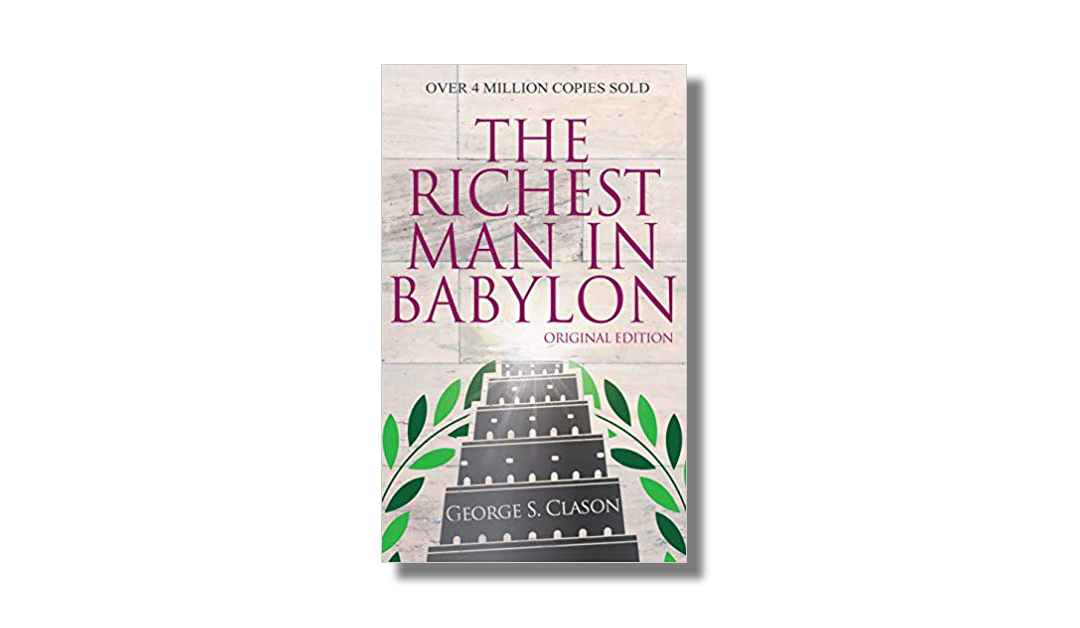
The Richest Man in Babylon by George S Clason explains how you can be fiscally successful in order to have future financial security. The book outlines timeless wealth generating principles and the basic tools required in effective money management. Although Clason wrote the book in 1926, it is still relevant today, over 90 years later. These strategies can be applied by anyone who wishes to get out of debt, earn more money, retain it, and invest it for profit.
Content Overview:
Babylon was once the richest city in the world and its financial success inspired Clason to write several stories including what’s become known as The Richest Man In Babylon.
The book centres around the story of two friends, Bansir, a chariot builder and Kobbi, a musician. They both were good at their jobs but had no money. One day Kobbi decides to visit their childhood friend, Arkad, who was the richest man in Babylon. The two set out to meet with Arkad and during their time together, they quiz him on why they have no money to show for all of the hard work they’ve undertaken.
Arkad’s lessons, which he calls the seven cures to a lean purse, are wealth building habits that we can all follow to build a solid financial foundation.
1) Pay Yourself First (“Start thy purse to fattening.”) – if you own a business, pay yourself first before you pay your expenses – don’t be the last to get paid!
2) Live below your means(“Control thy expenditures”) – stay out of debt and only spend what you can afford to.
3) Make your money work for you. (“Make thy gold multiply”) – invest in assets that appreciate and create passive income for yourself.
4) Insure to protect your wealth. (“Guard thy treasures from loss.”) – spread your risk – don’t put all your eggs in the same financial basket!
5) Our home is our biggest expense. (“Make of thy dwelling a profitable investment”) – definitely one for the Robert Kiyosaki school of through that your home is a liability and not an asset, in that it costs you money to run.
6) Have a retirement plan. (“Insure a future income.”) – plan financially for your old age.
7) Invest in ourselves. (“Increase thy ability to earn.”) – keep upgrading your skills, invest in education to make yourself more valuable to your clients and to protect yourself financially.
Each of the seven steps are sound financial advice and are applicable as much now as they ever were.
Rating: 8.5/10
Using the writing skill of parables, Clason teaches his money management tips in an easy to understand and digest way. Whilst there’s nothing new here, The Richest Man in Babylon provides and excellent framework and reminder of key wealth generating principles
Readability: 9.5/10
Clason’s easy style and storytelling ensures that you can fully engage with each of his seven key tips.
Does what it says on the tin: 8/10
Yes. However, this is probably best suited to those that are starting out on their wealth journey or as a reminder of the actions we should all take in money management. A lot of what is covered is financial common sense, but useful to us all